The Post-Closing Surprise: What Colorado Homeowners Need to Know About Insurance Inspections

Bryan Messick
Published February 15, 2026
You've closed on your new Colorado home, the moving boxes are unpacked, and you're finally settling in. Then, you get a notice: your homeowner's insurance company is sending someone to inspect the property. For many new buyers, this comes as a surprise. Who inspects a home for an insurance company after a buyer takes ownership, and what exactly are they looking for? Here is what Colorado buyers and sellers need to know to navigate this process smoothly.
Who Conducts the Inspection?
Insurance companies typically hire independent, third-party inspection firms to evaluate the property shortly after the policy goes into effect (often within the first 30 to 60 days after closing). Unlike the comprehensive home inspection you had before purchasing, the insurance inspection is strictly focused on risk assessment and verifying the replacement cost of the home. They want to ensure the property matches the details on your application and that there are no glaring hazards that could lead to an immediate claim.
Colorado-Specific Insurance Risks
In Colorado, our unique climate and geography mean inspectors are on high alert for specific hazards:
- Roof Condition (Hail Damage): Colorado is notorious for severe hailstorms. Inspectors will closely examine the age and condition of your roof. If they find existing damage or determine the roof is too old, the insurance company may require you to replace it to maintain coverage.
- Wildfire Mitigation: For homes in or near the foothills (like many areas in and around Littleton), inspectors will look for defensible space. They want to see that trees and brush are cleared away from the structure and that combustible materials aren't stored against the house.
- Plumbing and Freezing Risks: With our freezing winter temperatures, inspectors will check for proper insulation around pipes and the condition of water heaters to prevent catastrophic water damage claims.
- Liability Hazards: They will also look for general liability risks, such as uneven sidewalks, lack of handrails on stairs, trampolines, or certain dog breeds.
What Buyers Should Know During the Sale
When you are under contract, don't just rely on the standard home inspection to point out things you "might" want to fix. Review the inspection report through the lens of an insurance underwriter. If the roof is nearing the end of its life, or if there are obvious safety hazards (like a missing deck railing), it's wise to negotiate repairs or concessions with the seller before closing. Otherwise, you might be forced to foot the bill shortly after moving in just to keep your insurance policy active.
What Sellers Should Know
Sellers can proactively address potential insurance red flags before listing. Fixing loose handrails, trimming trees away from the roofline, and having a pre-listing roof inspection can prevent last-minute negotiations or delays. A home that is clearly well-maintained and free of obvious hazards is less likely to trigger issues during the buyer's post-closing insurance inspection, making for a smoother transaction for everyone involved.
The Bottom Line
An insurance inspection after closing is standard practice, but it doesn't have to be stressful. By understanding what inspectors are looking for, especially regarding Colorado's unique weather risks, you can ensure your new home remains fully protected. If you have questions about navigating inspections during your real estate journey, don't hesitate to reach out!
Your Next Step
Get Your Free Home Value & Net Proceeds Estimate — no pressure, no obligation. I'll personally review your situation and get back to you within one business day.
Free Littleton Seller's Guide
Download the 2026 Seller's Guide — pricing, prep, timing, and the 5 numbers to know before you list.
Get the Free GuideI'll send your guide right away and follow up in about a week to see if you have questions. No spam — just real help from a local REALTOR®.
Related Articles
More insights on Littleton real estate & local market trends
 Market Updates
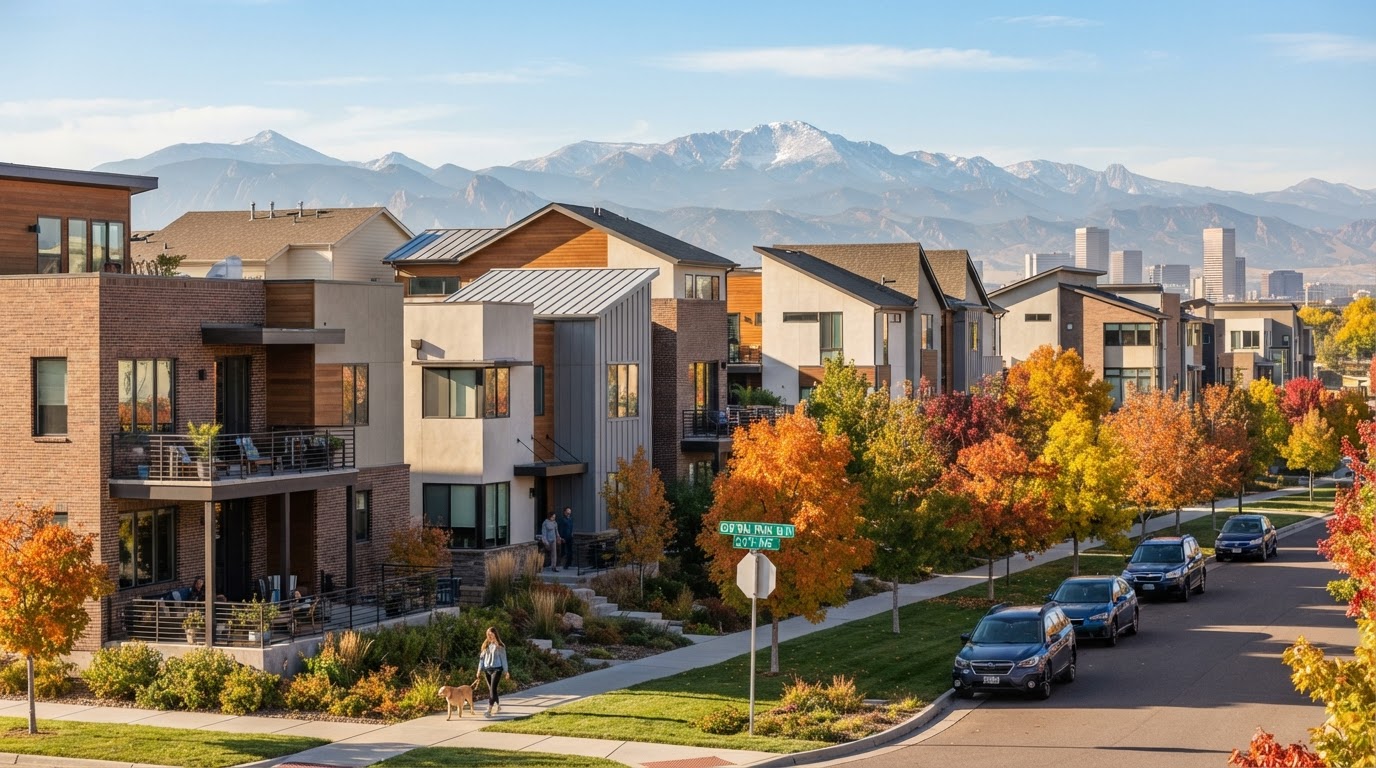
Resetting ARMs & Falling Denver Condo Prices: What Homeowners Must Know in 2026
According to Intercontinental Exchange and the Wall Street Journal, 186,000 adjustable-rate mortgages readjust next year with a median jump of $645 to $1,269 per month. In Metro Denver, where condo and townhome prices have cooled and inventory has climbed, resetting ARMs and expiring builder buydowns pose a unique challenge. Here is how to evaluate your loan caps, assess your equity, and protect your budget.
 Market Updates
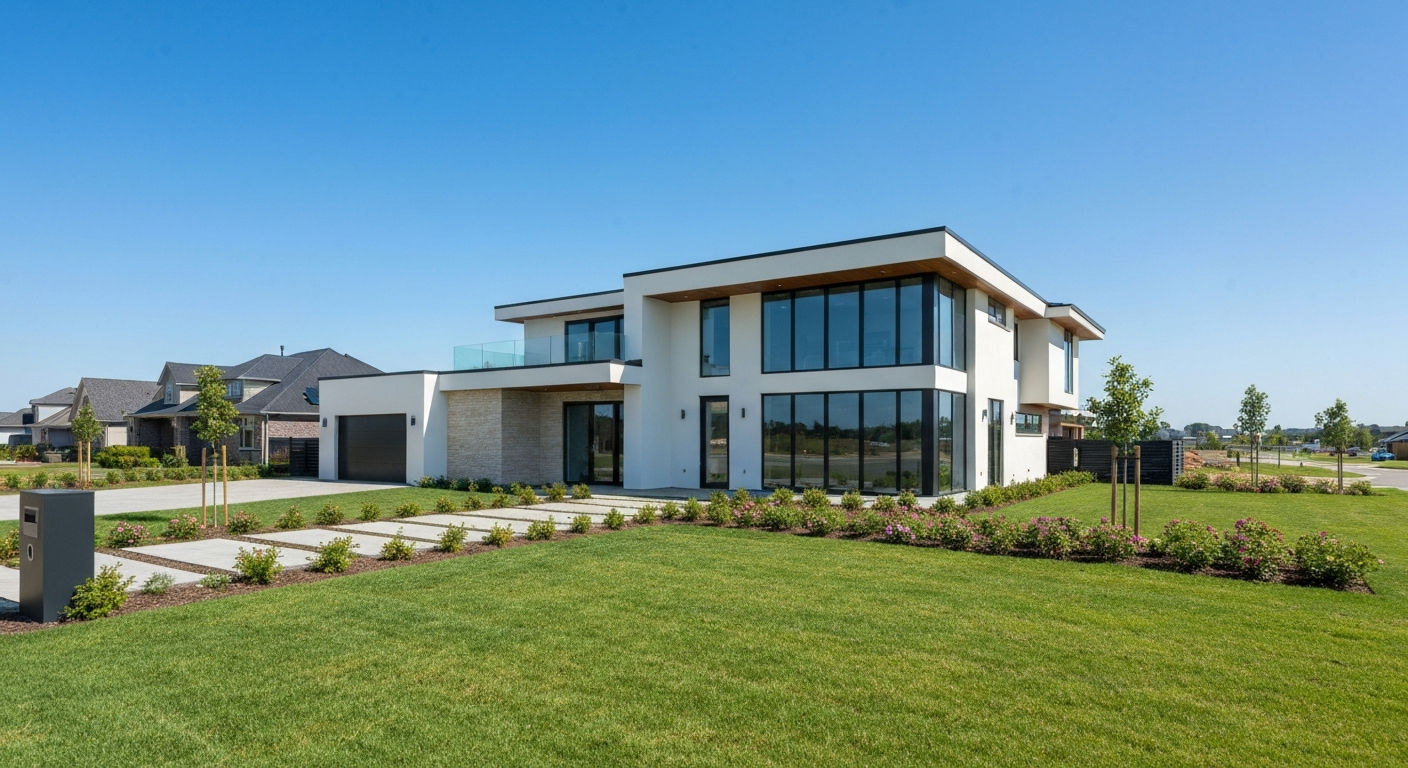
Denver New-Home Builder Incentives — Week of October 31, 2026
Tri Pointe Homes has the strongest package in Metro Denver this week: a year-one rate as low as 3.99% plus up to $40,000 in closing or design credit. Brookfield Residential has the lowest headline rate at 3.49%. Here is what each builder is offering, ranked the way that matters to your monthly payment.
 Things To Do
Still Looking for Fall Colors? 7 Beautiful Places Near Littleton and Denver This Weekend
Your late-October 2026 guide to golden cottonwoods, colorful foothills, and scenic fall walks near Littleton and Denver — seven beautiful places to see fall colors this weekend, October 23–25, 2026.
About Bryan Messick
Bryan Messick is a local real estate expert based in Littleton, serving clients throughout the Denver area. With a focus on education and modern technology, Bryan helps clients make confident decisions in any market.
Learn More About Bryan Messick